Bodega Apothecary: A Biography of Neighborhood Healing
Origins and Foundation
The story of the bodega apothecary is rooted in the intersection of urban convenience and traditional healing. Born out of the bustling immigrant neighborhoods of the late 19th and early 20th centuries, these hybrid spaces emerged when traditional herbalists, European apothecaries, and neighborhood corner store operators fused their trades. In tightly knit communities, the local bodega owner was often more than just a purveyor of daily essentials—they were trusted confidants who stocked dried roots, imported medicinal herbs, and hand-blended tinctures alongside fresh produce and pantry staples.
Evolution and Cultural Identity
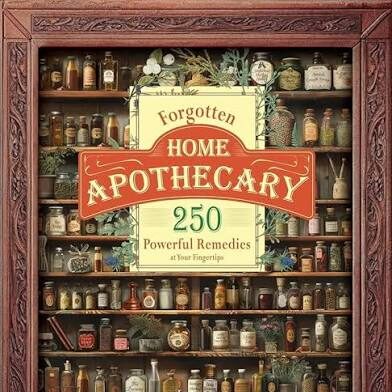
As cities grew, the apothecary corner store evolved into a cultural anchor. Rather than succumbing to modern pharmaceutical homogenization, the bodega apothecary preserved regional folk remedies, passing down botanical recipes from generation to generation. Shelves lined with modern household goods seamlessly shared space with rows of glass jars containing chamomile, eucalyptus, arnica, and specialized tonics. It became a sanctuary where neighbors sought quick remedies for common ailments, spiritual cleanses, or simply a comforting word from a shopkeeper who knew every family by name.
Modern Legacy and Resilience
Today, the bodega apothecary stands as a testament to grassroots resilience and holistic urban culture. While mass-market pharmacies dominate commercial corners, these independent outposts thrive on authenticity, community trust, and personalized care. They remain vital cultural landmarks that bridge the gap between ancestral healing traditions and modern daily life, proving that the heart of neighborhood wellness beats strongest at the corner store.


Vendor Biography
Bodega Apothecary: A Biography of Neighborhood Healing
Origins and Foundation
Evolution and Cultural Identity
Modern Legacy and Resilience